04 November 2026
Roof Painting vs Restoration: Key Differences Explained
Presented by @jaspercjum327
Homeowners on the Sunshine Coast often use the terms "roof painting" and "roof restoration" interchangeably, but they describe different levels of work with different costs, timeframes and outcomes. Our coastal climate combines intense UV, summer storms, high humidity and salt-laden air close to the beaches. All of these wear down roofing materials, so it pays to understand which approach suits your home. This guide explains what each service involves, how they differ, and how to decide between them in 2026.
What Is Roof Painting?
Roof painting is primarily a cosmetic and protective coating service. It involves cleaning the roof surface and applying a fresh layer of paint, typically a high-quality acrylic membrane designed for roofing. The goal is to refresh the appearance of the roof, add a protective barrier and, depending on the colour chosen, reflect more heat.
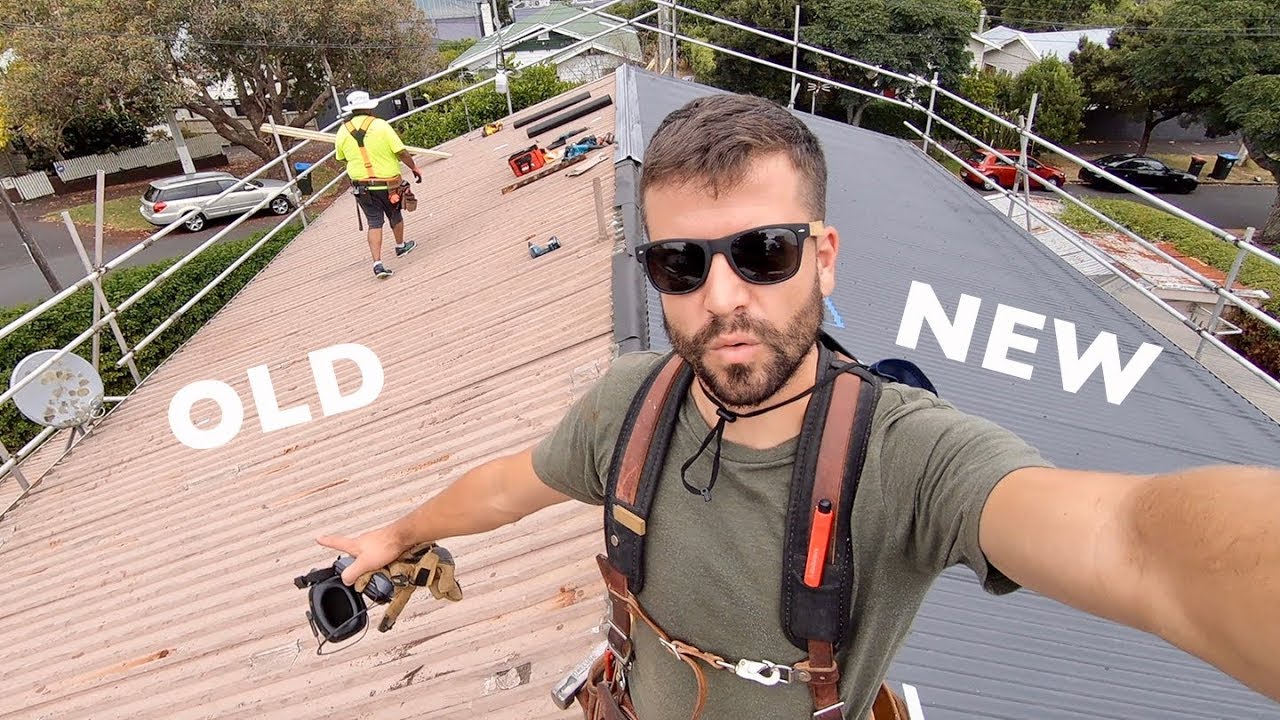
A basic roof painting job generally includes:
- Pressure washing to remove dirt, moss, lichen and loose paint
- Minor spot repairs, such as replacing a few cracked tiles or sealing small gaps
- Application of a primer or sealer where needed
- One or two top coats of roofing paint
Painting suits roofs that are structurally sound but look faded, stained or tired. It is also a sensible option for metal roofs with surface fading but no significant rust.

What Is Roof Restoration?
Roof restoration is a comprehensive repair and renewal process. It addresses the underlying condition of the roof as well as its appearance. Painting is usually one stage of a restoration, but it comes after the structural and functional work is done.
A full restoration typically involves:
- Inspection: Assessing tiles or sheets, flashings, valleys, gutters and ridge capping for damage.
- Cleaning: High-pressure washing to remove biological growth, grime and failing coatings.
- Repairs: Replacing broken or cracked tiles, fixing rusted sections of metal sheeting, and replacing damaged flashings or valley irons.
- Ridge capping rebedding and repointing: Removing old, crumbling mortar and rebedding ridge caps with flexible pointing compound.
- Sealing and priming: Applying sealers or rust treatments to prepare surfaces.
- Coating: Applying quality roof paint in multiple coats.
- Final checks: Cleaning gutters and inspecting the finished work.
Key Differences at a Glance
Scope of Work
Painting focuses on the surface. Restoration looks at the entire roof system, including components that keep water out, such as ridge capping, flashings and valleys. A fresh coat of paint will not stop a leak caused by cracked bedding or a rusted valley.
Cost
Painting is generally the more affordable option because it involves less labour and fewer materials. Restoration costs more because of the additional repairs and preparation. The final price for either depends on roof size, pitch, height, access, material type and the condition of the roof. Always request an itemised written quote so you can compare like with like.

Longevity
A properly applied coating can protect a roof for many years, but its lifespan depends heavily on preparation. When painting is done over a roof with underlying problems, the coating may fail early. Restoration extends the working life of the roof itself and gives the coating a sound base to adhere to.
Problem Solving
Painting improves appearance and https://sunshinecoastroofrestoration.com.au/ offers some protection. Restoration is designed to solve problems such as leaks, cracked tiles, rust, loose ridge capping and porous or deteriorating surfaces.
Time Required
Painting can often be completed in a few days, weather permitting. Restoration usually takes longer because of the repair stages and the curing time between steps. Sunshine Coast summer storms and humidity can affect scheduling for both.
Sunshine Coast Considerations
Local conditions play a significant role in how roofs age:
- Salt air: Homes near the coast, from Mooloolaba to Caloundra and Coolum, face accelerated corrosion on metal roofs and fixings.
- Humidity and shade: Mould, algae and lichen grow readily on roofs shaded by trees, especially in hinterland areas such as Maleny, Buderim and Montville.
- UV exposure: Strong sun fades colours and breaks down older coatings, causing chalking and flaking.
- Storm and cyclone season: Wind, hail and heavy rain can loosen ridge capping, crack tiles and test flashings. A pre-season inspection is a practical step each year.
Choosing coatings rated for harsh UV and coastal conditions, and using corrosion-resistant fixings and flexible pointing, can make a noticeable difference to long-term performance.
Signs Your Roof Needs Painting
- Colour has faded evenly but the roof is watertight
- Surface staining or light discolouration
- The existing coating is in generally good condition with minor wear
- You want to refresh the home's appearance or lift its street appeal before selling
Signs Your Roof Needs Full Restoration
- Cracked, broken or slipping tiles
- Crumbling or missing mortar along ridge caps
- Visible rust, corrosion or holes in metal sheeting
- Water stains on ceilings or damp patches in the roof space
- Heavy moss, lichen or algae growth
- Peeling, flaking or bubbling paint from a previous coating
- Blocked or damaged valleys and gutters
When Replacement May Be Better
Neither painting nor restoration is the right answer for every roof. If a roof has widespread structural damage, extensive rot in the battens or sarking, severe corrosion across most of the metal sheeting, or significant sagging, replacement may be more cost-effective in the long run. A qualified roofer can assess this during an inspection. Older roofs may also contain asbestos-cement sheeting, which must never be pressure washed, sanded or painted without following Queensland safety requirements. If you suspect your roof contains asbestos, engage a licensed professional before any work begins.
How to Choose the Right Option
Start with a thorough roof inspection. A reputable contractor should walk the roof, photograph problem areas and explain what they find. Consider the following when deciding:
- Condition: Repairs needed? Restoration is the safer choice.
- Budget: Painting costs less upfront, but skipping necessary repairs can lead to higher costs later.
- Roof age: Roofs nearing the end of their service life may not justify major investment.
- Goals: Selling soon, improving energy efficiency, or protecting a long-term home all influence the best approach.
Questions to Ask a Roofing Contractor
- Are you licensed and insured in Queensland?
- What preparation steps are included in the quote?
- Which products will be used, and what warranties apply to them and to the workmanship?
- How many coats will be applied?
- How do you handle weather delays and protect gardens, solar panels and gutters?
Energy Efficiency and Colour Choice
With Sunshine Coast summers continuing to be hot and humid, many homeowners now choose lighter or solar-reflective roof colours. Reflective coatings can reduce roof surface temperatures, which may help ease the load on air conditioning. Check that the colour complies with any body corporate or estate covenants, and ask your contractor for products with a solar absorptance rating suited to your needs.
Final Thoughts
Roof painting and roof restoration serve different purposes. Painting refreshes and protects a sound roof, while restoration repairs and renews a roof that is showing signs of wear or damage. For most older Sunshine Coast homes, a full restoration followed by quality coating delivers better long-term value than paint alone. A professional inspection is the best first step, giving you clear information about your roof's condition so you can invest in the right solution at the right time.
Sunshine Coast Roof Restoration & Repair
Unit 8/13 Newspaper Pl, Maroochydore QLD 4558
(07) 4145 4576